Patient- and Family-Centered Care
As radiology evolves, the patient remains the compass guiding us through a changing healthcare landscape towards what comes next.
Read more

Patients lack proper access in many parts of the world, including in the U.S., as experts work to bolster education about the safety of radiation therapy.

The second annual World Radiotherapy Awareness Day (WRAD) will take place on Sept. 7 and will build on last year’s global initiative to increase awareness of radiotherapy (radiation therapy) as a key life-saving component of cancer treatment. The WRAD campaign promotes engagement with radiation therapy professionals involved with advocacy efforts globally. It also encourages these professionals to work with their own communities, patients and professional bodies to attempt to improve knowledge and awareness about radiation therapy, helping dispel myths around this treatment.
The Bulletin spoke with radiation oncologists Sandra Turner, MBBS, PhD, and Join Y. Luh, MD, FACR, based in Sydney, Australia, and Eureka, California, respectively, about their excitement around this year’s event — and why it matters. Luh is the ARS representative (appointed) on the ACR Board of Chancellors. Turner is co-founder and co-chair of the WRAD movement (along with Katie Wakeham, MD, a clinical oncologist from the U.K.
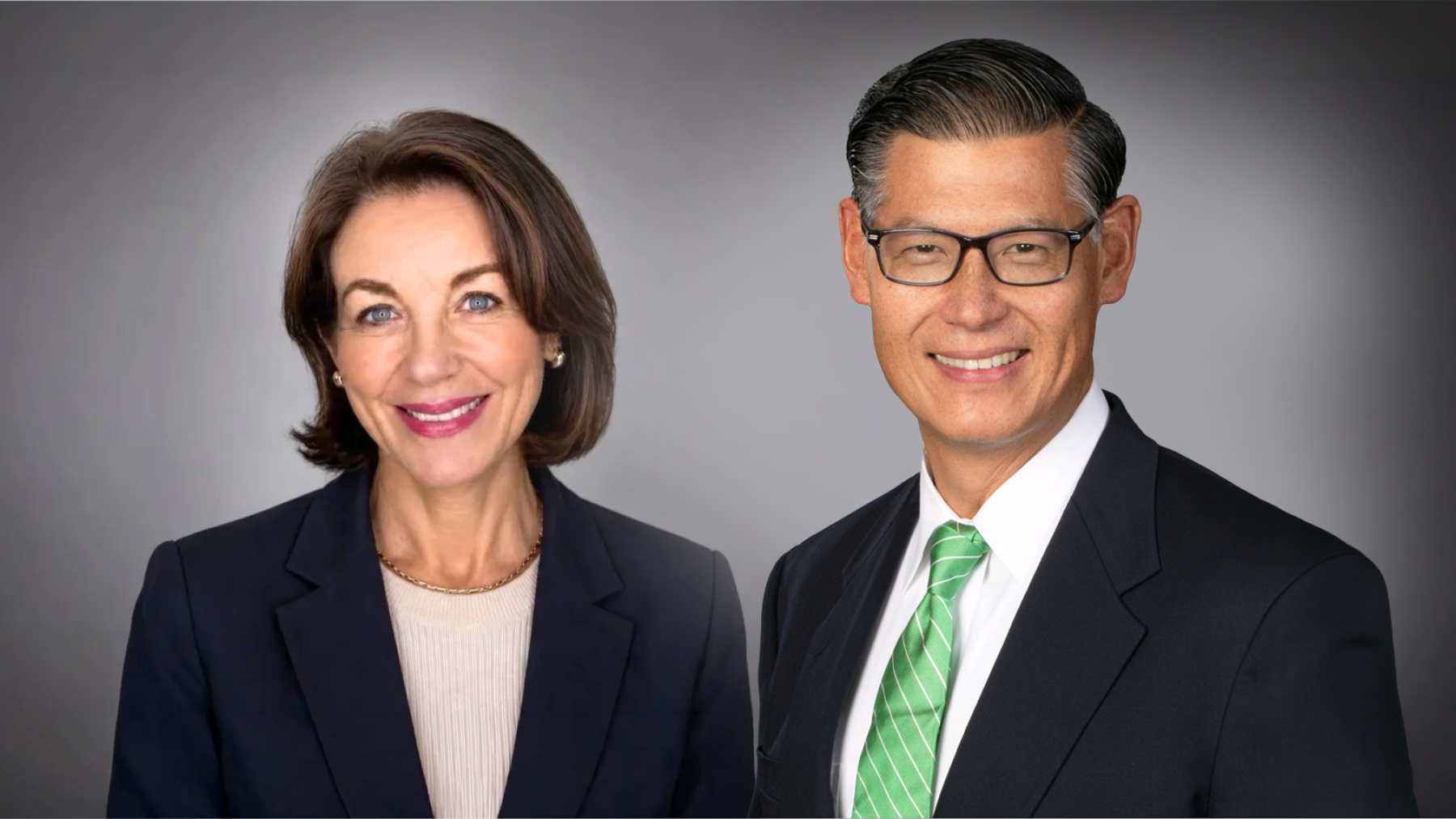
Sandra Turner, MBBS, PhD, and Join Y. Luh, MD, FACR
Turner: In nearly all countries in the world, people with cancer miss out on getting the radiotherapy they might benefit from. This disparity in access is extreme in some parts of the world — especially in Africa (where several countries have no radiotherapy machines) and parts of Asia and Latin America. The persistent gap in access to radiotherapy means that many people die unnecessarily in the absence of treatment, and others suffer through symptoms, such as pain, that could be well-managed with palliative radiotherapy. Too often, there are fears and misunderstandings about radiotherapy that negatively impact people receiving the treatment they need. Only through working together to amplify the voice of all advocates for radiotherapy can we affect change — hence the rationale to create WRAD as a common global platform.
Luh: I was being tagged in a lot of social media posts around WRAD, but the real impetus for me came when I met Dr. Turner after she was nominated to be an ACR Honorary Fellow. Championing the importance of radiation therapy globally was a significant part of that recognition. Since we were recognizing her for her work, the natural next step was learning how the ACR could get more involved — to be a trumpet for the global public. There is a deficiency in access to radiation therapy care, and many places in the world where patients must travel exceptionally long distances to find and access this technology.
The persistent gap in access to radiotherapy means that many people die unnecessarily in the absence of treatment, and others suffer through symptoms, such as pain, that could be well-managed with palliative radiotherapy.
Turner: There are many fears and misunderstandings about radiotherapy that have a negative impact on people’s feelings about receiving it when they need it. Common myths are that radiotherapy is only for elderly people or that it is only to be used as a last resort. Other fears include pain from treatment and being radioactive (this is not the case with external beam radiotherapy). Many people think they’ll be too sick to work during treatment. There is generally low community understanding of radiotherapy - also present amongst health professionals — meaning many patients cannot get treatment or decline to have it.
Luh: Many people continue to associate the word radiation with danger because sometimes inherent biases are built in. Maybe someone had an unpleasant experience decades ago and has spread the word in the community. Some patients believe that they are going to die anyway so they think, “why would you strap me to a machine that will burn me?” Those perceptions may make patients hesitant to take advantage of radiation therapy when it is available to them. The fear that people have of radiation therapy means that, unfortunately, some physicians are less likely to recommend it when it could be very appropriate. There is a global knowledge deficit, including in the U.S.
Turner: There is a rapid and ever-growing number of cases of cancer around the world, largely due to an aging population. As one in two people with cancer require radiotherapy, the need for more services — equipment and highly trained staff needed to deliver the treatment — is escalating. Current advocacy efforts around radiotherapy are barely keeping pace with the growing need. The urgency to work together to amplify efforts to engage governments and decision-makers to invest in radiotherapy services could not be more pressing.
Luh: In a lot of ways the push for global awareness has helped us in the U.S. look at ourselves and see how radiation therapy services are distributed. As expected, there are large swaths of rural areas where there is a deficit in radiation oncology access — with patients traveling long distances for treatment. As a result, some may choose not to get treatment at all. It is 2026, and yet in the U.S. many patients still do not have access to a treatment that is life-changing and lifesaving. The deficiency is even more acute worldwide.
Turner: Awareness campaigns are not enough on their own. Awareness efforts need to be associated with the ongoing work of lobbyists and policy makers. We need to relay the evidence of the effectiveness, safety and cost-effectiveness — and the economic benefits of the treatment — so that investment in equipment, technology and professional education can catch up with need. As a small discipline, the value of combining the multiple global efforts tailored to the challenges specific to each region is even greater. People who have wanted to get involved now have a platform to do this through WRAD.
Luh: Part of the challenge is the lack of education — a lack of exposure to our field. That’s a result of the way U.S. medical education is structured, with radiation oncology absent from the core curriculum during medical school. I didn't even know the field existed until my third year of medical school, and even then, it was only because my faculty attending happened to be double boarded in medical and radiation oncology. The knowledge deficit on radiation therapy created in medical schools persists even into clinical practice with many physicians unaware of when referrals to radiation oncology should be made. Fortunately, the collaboration between radiation oncologists and medical oncologists has gone up. We are working together a lot more in terms of delivering chemotherapy, immunotherapy and targeted therapies with radiation. There are still opportunities to inform our colleagues from other specialties about the role of radiation therapy.
Turner: Misunderstandings and lack of knowledge about radiotherapy in general — and its central role in cancer care — often mean that governments don’t make the required investment in services, equipment and staff training. Another issue is a lack of understanding by key decision-makers, who do not see that radiotherapy is a highly cost-effective treatment with exceptional value, especially compared to systemic therapies.
Luh: If the governments of the countries in need of radiotherapy treatment aren’t aware of the value of this therapy, they’re not going to fund it. We must ensure that service lines are recognized and properly funded. In terms of infrastructure, you need a reliable source of electricity to operate a linear accelerator. In some of these countries, you don't have that infrastructure, and there are regular blackouts and other disruptions.
Turner: Over the last two years, there have been over 85 professional radiotherapy societies and organizations who have partnered with WRAD. We will continue to collaborate with new groups and individuals to create a supportive and inspiring network for people to undertake their own regional activities and campaigns. In 2026, we focused on building a coalition of regional champions — mostly radiotherapy professionals — to engage in their regions and spread the workload across multiple WRAD ambassadors. We are also building a database of patient/survivor supporters and groups in our next phase. We know patient stories are extremely powerful in advocacy efforts, and many people have gotten on board to help. We’re encouraging people to plan an event or activity in their organization, department or region to mark Sept. 7, or a date close to it. There are lots of ideas for activities on the website and many branded, downloadable posters and social media templates to assist in running a WRAD event. Ask your contacts in industry, universities and other institutions to feature a radiotherapy story around your event to ensure the media are flooded with stories about the importance of radiotherapy. Regardless of where you live and work, we all have the same goal — to ensure people with cancer have better access to, and an understanding of, radiation therapy.
Luh: Mainstream media is powerful, especially TV and movies. I have high hopes that one day you’ll see a radiation oncologist on screen doing something heroic.! I believe that could make radiation therapy more appealing to the public — and help people understand that what we do is a good thing. All the “doctor shows” promote emergency room doctors and surgeons. Get a radiation oncologist on a show or movie, and then people could see some of the acute emergencies we get called for. Spinal cord compression, brain metastasis, bone metastases, Superior Vena Cava Syndrome — take your pick. We get positive results.
Interviews by Chad Hudnall, senior editor, ACR Bulletin
There are opportunities to become a supporter or WRAD Regional Champion by signing up to receive occasional announcements updating people on campaign activity. Get inspiration about an event you can run in your organization or area and download the resources (posters, social media templates and more) to join in advocating for radiotherapy. There are also WRAD pages on X, LinkedIn and a YouTube channel to follow.
Find out moreShape the future of radiology. ACR members get the support and resources critical to the success of the profession. Connect with nearly 40,000 ACR members and take advantage of volunteering and educational opportunities — plus insights to propel your career and make your voice heard.
Join todayPatient- and Family-Centered Care
As radiology evolves, the patient remains the compass guiding us through a changing healthcare landscape towards what comes next.
Read moreBringing Comfort and Communication into the Spotlight
The ACR Commission on PFCC is increasing awareness of the importance of breast cancer screening through animated videos and increased communication.
Read more
The Importance of Participating in LCS Day
Tiffany Gowen, MHA, FSBI, director of the ACR Commission on Patient- and Family-Centered Care, discusses why your practice should open their doors on Saturday, Nov. 8.
Read more